- WorkOptional: Automate Work, Amplify Life
- Posts
- Elon’s SpaceX-xAI Mega Merger: What It Really Means for AI, Infrastructure, and the Future
Elon’s SpaceX-xAI Mega Merger: What It Really Means for AI, Infrastructure, and the Future
Space-Based Compute | AI Infrastructure Wars | Musk’s End-to-End AI Stack | Global Power Shifts | What Comes Next
WorkOptional AI
February 05, 2026
Why this merger matters now
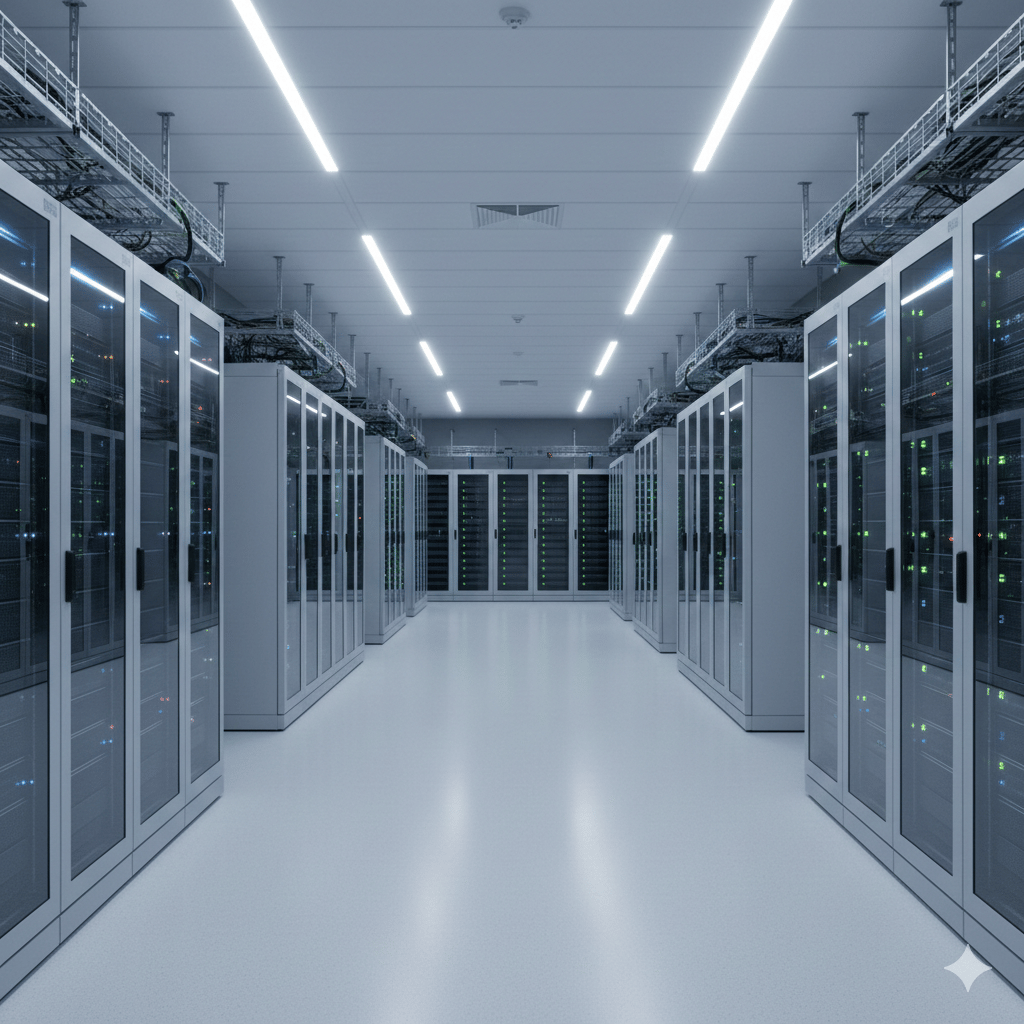
Elon Musk’s SpaceX has officially acquired his AI startup xAI in a combined deal valued at around $1.25 trillion — making the merged entity one of the most valuable private companies ever created. In the announcement, Musk and SpaceX leaders framed this not merely as a business consolidation but as a strategic shift toward building AI and compute infrastructure that isn’t confined to Earth. That includes ideas like orbital data centers powered by solar arrays and coordination across rocket hardware, satellite networking, and AI model operations.
But beyond the headline valuation, it signals something deeper. The merger brings Grok AI, Starlink’s global connectivity, and reusable rocket systems under one roof, setting the stage for new kinds of compute economics that could reshape how AI scales globally. Critics are already questioning whether this is a technological leap or an empire play — but either way, it’s reshaping expectations about where and how the next generation of AI infrastructure might live.
Across industries: from Earth to orbit
One of the reasons this development has captivated global audiences is that it blurs traditional boundaries between sectors. SpaceX has previously focused on launch systems and Mars missions; xAI was experimenting with cutting-edge models and integration with the X platform. Now those worlds are combined. A key question many in tech and finance are asking is: Does compute anchored in orbit offer real advantages over Earth-based data centers? Proponents argue that solar-powered space compute could bypass terrestrial energy limits, while skeptics point to enormous engineering and regulatory hurdles.
This isn’t just a Silicon Valley story — it feeds directly into global competition. For example, China recently unveiled plans for its own space-based AI data centers, building toward a “space cloud” that could process data in orbit as well. That move highlights how national and corporate interests are converging on space-based compute as a future frontier.

So what does this actually mean for you?
At first glance, this may seem distant from day-to-day work or AI products, but it’s a major inflection point in how infrastructure, capital, and compute interconnect. If AI begins to pivot toward highly specialized, vertically integrated systems — whether in orbit or on Earth — it changes investment trajectories, regulatory landscapes, technology roadmaps, and talent strategies worldwide.
For developers and businesses, it signals one thing clearly: AI is no longer just a software story. It’s increasingly about where and how compute is provisioned, financed, and regulated. Whether that ultimately means space data centers or more down-to-earth deployments, this merger has pushed that conversation into mainstream technology strategy.
Global AI Stories (East / West)
China Plans Space-Based AI Data Centers to Compete Globally
China unveiled ambitions to develop its own orbiting AI data centers, intensifying competition with U.S. and private sector initiatives for next-gen compute infrastructure.Cisco AI Summit 2026 Unites Industry Leaders
The Cisco AI Summit convened global leaders to discuss infrastructure, governance, and long-term impacts of AI technology across industries worldwide.South Korea Enacts “World-First” AI Regulation Amid Global Scrutiny
South Korea has passed what it’s calling the first comprehensive AI law, the AI Basic Act, requiring watermarking of AI-generated content and safety assessments for high-impact systems as part of its bid to compete with U.S. and China in AI leadership — but tech startups warn the rules could stifle innovation amid enforcement gaps.
GLOBAL MEETUP EVENTS
AI Impact Summit 2026 — India: Focused on driving AI implementation and measurable outcomes across sectors
Wed–Thu | February 19–20, 2026 | New Delhi, India | Register Here
Workshop-Led AI Marketing Summit 2026 — Phuket: AI, SEO & Digital Innovation Summit
Sat–Sun | April 4–5, 2026 | Phuket, Thailand | Register Here
NextGen Data 2026 — Spain: Global AI, ML & data science innovation summit
Mon–Tue | March 30–31, 2026 | Barcelona, Spain | Register Here
WorkOptional AI Meetup — Virtual: Community meetup on practical AI tools and workflows
Wed | February 12, 2026 | Virtual | Register Here
Closing Thoughts
This week’s developments highlight how infrastructure decisions, corporate strategy, and geopolitics are all colliding at the frontier of AI. The SpaceX-xAI merger isn’t just a corporate story — it’s a structural pivot in thinking about compute, energy, and scale in AI. Whether or not space compute becomes reality, the merger has already sparked new dialogues about where compute lives, who controls it, and what that means for global innovation. Watching these shifts closely will offer early signals for how economic power, technological leadership, and AI ecosystems evolve next.

Want to get the most out of ChatGPT?
ChatGPT is a superpower if you know how to use it correctly.
Discover how HubSpot's guide to AI can elevate both your productivity and creativity to get more things done.
Learn to automate tasks, enhance decision-making, and foster innovation with the power of AI.
📘 From the WorkOptional Library
Ten Commandments of Investing: Guiding Principles from the Greatest Investment Wizards — a collection of timeless lessons from investors who built lasting wealth by doing the opposite of what felt comfortable.
Explore the book
✍️ Quote of the Week
“Any sufficiently advanced technology is indistinguishable from magic.”
— Arthur C. Clarke
Until next week,
WorkOptional Guiding you from the AI Silk Road to Silicon Gold - one insight at a time.
Reply